
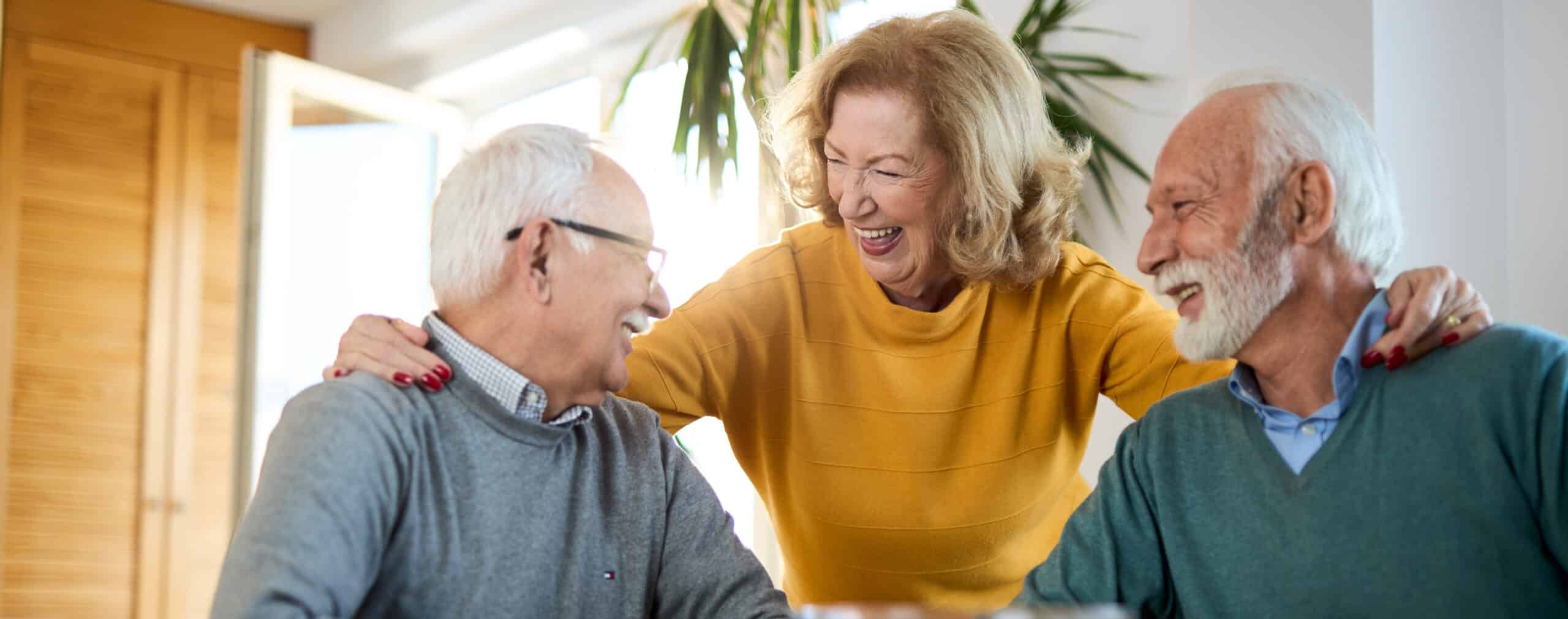
Joining a senior group filled with people who share your interests can help you form friendships and is also a great way to expand your horizons. Senior living communities like The 501 at Mattison Estate have a range of senior support groups and discussion groups for seniors, including an Aging With Wisdom club, book clubs, current events, world religions, volunteering, Veterans gatherings, and groups built around specific hobbies to help you be more social and provide a sense of belonging.
Benefits of Finding Your Senior Group
Senior meeting groups are a cornerstone of connection and can foster friendship, intellectual engagement and provide a variety of health and wellness benefits, including:
- Better mental health: Research has shown that interacting with others boosts feelings of well-being and reduces stress and feelings of depression.
- Improved physical health: Many groups focus on staying active and moving your body. Join a walking group, a tap-dancing or line-dancing group, or pickleball group. Physical activity can help lower blood pressure, reduce physical pain, and even boost your immune system — allowing you to fight off colds, the flu, and some types of cancer.
- A sense of community: Staying socially active helps you maintain strong connections with the people who matter most, while also opening the door to new friendships. Group activities foster a sense of belonging, purpose and support, making it easier to navigate life’s ups and downs with others by your side.
- Increased longevity: Some studies have shown that those who are connected to others can even live a longer, happier life. Friends can help you navigate the stresses of life and can also encourage you to live a healthier lifestyle. In fact, results from the Chinese Longitudinal Healthy Longevity Survey found more frequent social activity was associated with longer overall well-being.
- Lower risk of dementia: According to the National Institutes of Health, socializing is good for your brain health. By keeping your brain constantly engaged in activity and interaction, you are sharpening your mind and reducing the risk of cognitive decline.
The 501 Is Your Community of Support
At The 501, you’ll find a variety of resident-led community support groups designed to give you a place to connect, be supported and explore what matters to you. That’s why we offer the following options (among many others):
Parkinson’s Support Group: Parkinson’s disease is a progressive condition, which means its symptoms change over time, impacting quality of life. But the progression of symptoms varies from person to person. Being part of a support group can help you find the resources and assistance you need, as well as provide a safe place to talk about your experience as a caregiver, family member or someone with Parkinson’s.
Bereavement Group: Loss is a part of life, and while the world moves on, the grief may not. Each holiday or big event can remind you of the person who has passed. Our Bereavement Group understands what it’s like to lose someone who was a major part of your life and provides a community of understanding friends to support you.
Caregivers Support Group: While caring for a spouse or loved one can be very rewarding and fulfilling, it can also feel like you’re going through it alone. Our Caregivers Support Group gives you access to help, advice and a friendly ear to talk about what’s going on in your life.
If you don’t find a group you’re looking for, speak up! There are most certainly others who share your interests, and at The 501, our team is always eager to help you get one started.
Types of Support Groups for Seniors
The variety of support groups available is as varied as the people seeking to connect with others. Here’s just a small sample of other types of groups you may find (or create) at The 501.
- Hobby groups: Whether you enjoy board games, card games, photography, film, ceramics, gardening, knitting or crocheting, there’s likely a group of fellow enthusiasts ready to connect and share your interests.
- Travel groups: Now that you have time to travel, join a group of like-minded people. You could find a group focused on cruises, travel by train, or one that’s interested in specific regions or countries. At The 501, residents have traveled far and wide (and continue to do so). Having a peer group to discuss these experiences with allows for riveting conversation and exciting trip-planning sessions!
- Discussion groups: If getting together to talk about specific topics is of interest to you, there are book clubs and discussion groups on history, current events, religion, health and more. At The 501, weekly discussion groups are a staple — residents enjoy respectful exchanges about a variety of topics, all guided by their interests.
- Activity groups: Becoming part of a group focused on specific physical activities is a great way to get moving. Look for groups focused on walking, swimming, dancing, yoga, pickleball, golf and much more.
- Emotional support groups: Aging brings about a range of significant life transitions, from retirement to changes in physical abilities and social relationships. Emotional support groups offer a place to talk with others who may be facing similar challenges.
- Chronic disease and condition groups: These support groups serve as valuable resources for individuals dealing with a chronic disease or condition to share coping strategies, seek advice and receive emotional support.
- Dementia-related support groups: This type of group is designed to address the needs of both those living with dementia and their caregivers, providing a shared space to discuss the difficulties, emotions and experiences associated with this condition.
You’ve Got a Friend at The 501
To learn more about the benefits of moving to The 501 and our supportive staff and diverse group of residents, contact us.
Featured Image: PeopleImages.com – Yuri A / Shutterstock